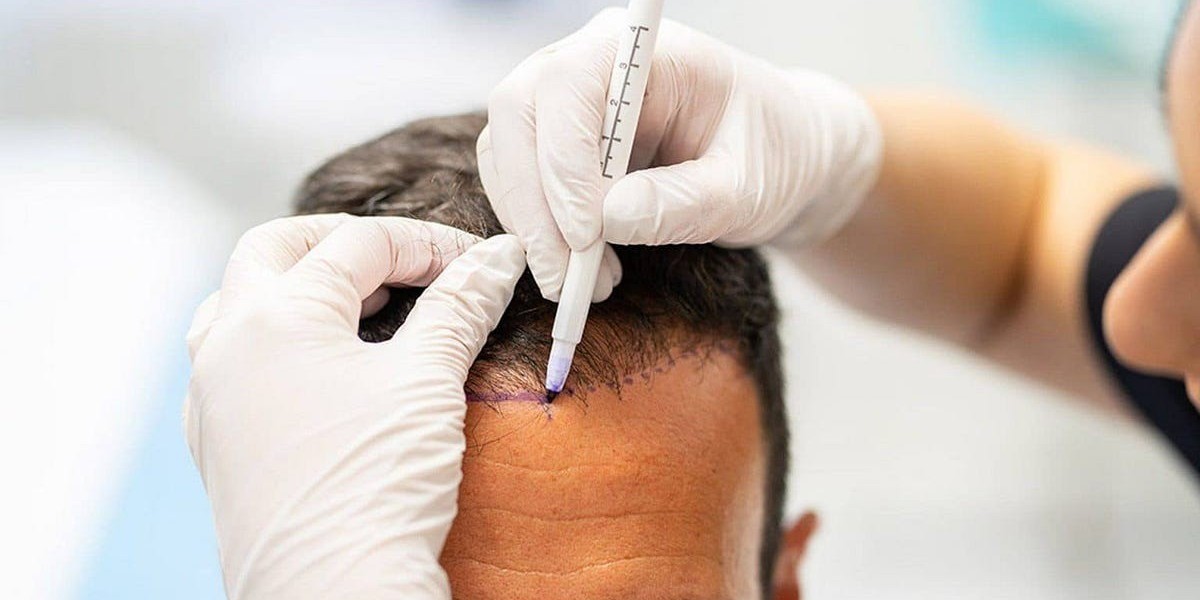

Hair loss is no longer viewed simply as a cosmetic concern; it is increasingly understood as a biological process linked to follicular weakening, cellular dysfunction, and disrupted regeneration cycles. Among modern regenerative approaches, stem cell-based interventions are drawing significant attention for their potential to reactivate dormant follicles and support healthier hair growth patterns. At the core of this innovation lies a deeper understanding of how follicles respond at the cellular level after treatment, especially in procedures like Stem Cell Hair Transplant in Dubai where regenerative science is integrated with advanced restoration techniques.
Understanding Hair Follicles Before Treatment
Hair follicles are complex mini-organs embedded in the scalp, each operating through a cyclical pattern of growth, transition, and rest. In cases of thinning or balding, these cycles become progressively shortened, and follicles gradually miniaturize. This means they produce thinner, weaker hair strands until activity ceases entirely.
Stem cell-based approaches focus on the biological environment surrounding these follicles rather than simply replacing hair. The aim is to influence cellular communication, improve tissue repair signals, and encourage inactive follicles to re-enter the growth phase. This foundational shift in strategy is what distinguishes regenerative treatments from traditional hair restoration methods.
The Science Behind Stem Cell Activation
Stem cells function as primitive cells capable of differentiating into specialized cell types and releasing signaling molecules that regulate repair and regeneration. When introduced or stimulated within the scalp environment, these cells interact with follicular structures in multiple ways.
One of the key mechanisms involves paracrine signaling, where stem cells release growth factors that influence nearby cells without directly transforming into hair cells themselves. These signals help improve blood supply to follicles, reduce inflammation, and stimulate dermal papilla cells, which play a crucial role in hair production.
Additionally, stem cell activity may enhance the extracellular matrix surrounding follicles, creating a more supportive environment for sustained hair growth. This biological reinforcement is essential in cases where follicles are weakened but not fully inactive.
What Happens Immediately After Treatment
In the early phase following a stem cell-based procedure, the scalp undergoes subtle yet important biological changes. Although visible hair growth is not immediate, internal cellular activity increases significantly.
Inflammatory responses are typically reduced, which is crucial because chronic inflammation is a known contributor to follicular degradation. At the same time, improved microcirculation begins delivering oxygen and nutrients more efficiently to the follicular units.
Patients may notice temporary sensitivity or mild changes in scalp texture, which are normal indicators of tissue response. During this stage, follicles are essentially being "re-educated" at a cellular level to resume healthier activity patterns.
Follicular Reactivation and Growth Cycle Reset
One of the most significant outcomes of stem cell-based treatment is the potential reactivation of dormant follicles. These follicles are not dead but exist in a prolonged resting phase due to hormonal, genetic, or environmental influences.
Stem cell signaling can help shift these follicles from the telogen (resting) phase back into the anagen (growth) phase. This transition is gradual and varies depending on individual biological conditions, but it represents a fundamental reset of the hair growth cycle.
As this process unfolds, early signs of improvement may include the emergence of fine, soft hairs. Over time, these hairs may thicken and integrate into more stable growth patterns, contributing to improved density and coverage.
Long-Term Cellular Changes in the Scalp
Beyond initial reactivation, the long-term effects of stem cell-based interventions focus on sustaining follicular health. The scalp environment becomes more balanced, with improved vascular support and reduced follicular stress.
Dermal papilla cells, which are essential for regulating hair growth, often show improved responsiveness over time. This means that follicles become more efficient at cycling through growth phases and less prone to premature regression.
In addition, stem cell influence may help stabilize hormonal sensitivity within the scalp, particularly in cases where hair loss is linked to androgen-related factors. While this does not eliminate genetic predisposition, it can significantly slow progression and improve overall hair quality.
Biological Limitations and Realistic Expectations
Although stem cell-based treatments offer promising regenerative potential, they are not a universal solution for complete follicular regeneration in all cases. Severely damaged or scarred follicles may have limited capacity for recovery, depending on the extent of structural loss.
The effectiveness of treatment is often influenced by factors such as age, genetic predisposition, scalp health, and the duration of follicular inactivity. In some cases, improvements are more subtle, focusing on density enhancement and strengthening existing hair rather than full regrowth.
Understanding these limitations is essential for forming realistic expectations. The goal is not to create new follicles where none exist, but to optimize the performance of those that remain viable.
The Future of Follicular Regeneration
Advancements in regenerative medicine continue to refine how stem cells are used in hair restoration. Research is increasingly focused on improving delivery methods, enhancing cellular survival rates, and combining stem cell activity with other growth-supportive technologies.
As scientific understanding deepens, treatments are expected to become more targeted, allowing for greater precision in activating specific follicular pathways. This evolution could significantly improve outcomes for individuals experiencing different stages of hair loss.
The integration of regenerative science into hair restoration marks a shift toward treatments that work with the body’s natural healing mechanisms rather than against them, offering a more sustainable approach to long-term hair health.
In conclusion, stem cell-based approaches reshape how hair follicles behave after treatment by influencing cellular communication, improving the scalp environment, and potentially reactivating dormant growth cycles. While outcomes vary, the biological potential remains significant, especially in modern approaches like Stem Cell Hair Transplant where regenerative principles are applied to support healthier, stronger, and more resilient hair growth patterns over time.