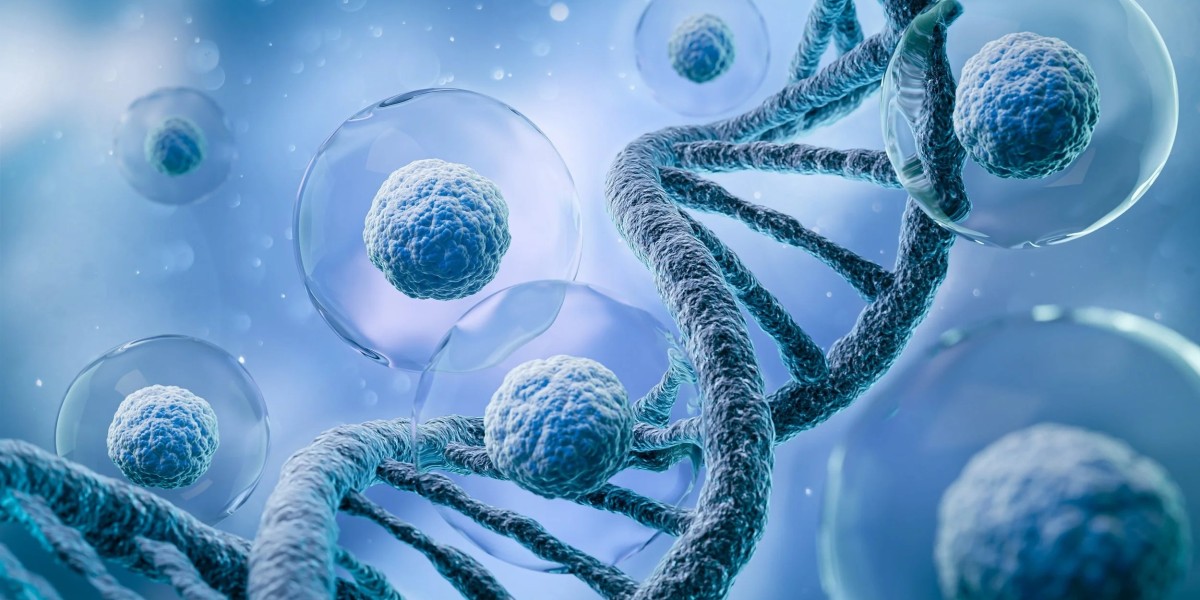

Stem Cells Therapy in Dubai has become one of the most discussed advancements in modern regenerative medicine, offering new possibilities for people seeking non-surgical approaches to healing and tissue repair. This innovative approach focuses on the body’s natural ability to regenerate damaged cells, supporting recovery in a wide range of conditions. As interest grows globally, more patients are exploring how this therapy may help improve overall function and quality of life without relying on invasive procedures. Understanding how it works, what it targets, and why it is gaining attention can help you make a more informed decision about whether it aligns with your health goals.
Understanding the Concept of Stem Cell Regeneration
Stem cells are unique because they have the ability to develop into different types of cells in the body. This makes them valuable in supporting repair processes where tissues have been damaged or weakened. In regenerative medicine, these cells are used to encourage the body’s natural healing response rather than replacing it with artificial solutions. Over time, researchers have explored how these cells interact with damaged tissues, especially in joints, muscles, and other structural systems. As a result, this approach is increasingly associated with recovery strategies that aim to enhance mobility, reduce discomfort, and support long-term wellness without extensive downtime.
How the Process Supports Natural Healing
The procedure typically involves preparing concentrated stem cells and introducing them into targeted areas of the body where repair is needed. Once introduced, these cells work by communicating with surrounding tissues, releasing growth factors, and supporting cellular repair mechanisms. This process does not simply mask symptoms but encourages the body to initiate healing from within. Additionally, the regenerative response may continue over time, making it a progressive approach rather than an instant fix. Because of its biologically driven mechanism, it is often considered a promising option for individuals looking for alternatives to surgery or long-term medication use.
Applications in Modern Regenerative Medicine
In recent years, regenerative medicine has expanded its focus to include various conditions that affect daily movement and physical comfort. These include joint wear, sports-related injuries, and certain degenerative conditions. The versatility of this approach lies in its ability to target inflammation and tissue breakdown while promoting structural repair. Patients are increasingly drawn to treatments that work with the body rather than against it, especially when dealing with chronic issues. This shift in perspective has contributed to the rising popularity of cellular-based therapies across global healthcare systems.
Biological Mechanisms Behind Cellular Repair
At the core of regenerative therapy is the body’s signaling system, which directs healing responses where they are needed most. When stem cells are introduced into a targeted area, they release bioactive compounds that stimulate repair activity. Stem Cells Therapy works through these biological signals to enhance tissue regeneration, reduce inflammation, and improve cellular communication. This process is complex yet highly organized, relying on the body’s natural pathways to restore balance and function. Over time, the interaction between stem cells and damaged tissues may lead to improved structural integrity and better overall performance of the affected area. Because of this mechanism, researchers continue to explore its long-term potential across different medical fields.
Factors That Influence Results and Recovery
The outcome of regenerative therapy can vary depending on several important factors. These include the severity of the condition, the patient’s overall health, and how the body responds to cellular stimulation. Lifestyle choices such as nutrition, physical activity, and rest also play a supportive role in recovery. In many cases, gradual improvement is observed rather than immediate changes, as the body requires time to rebuild and strengthen tissues. Consistency in post-procedure care is often emphasized to support the regenerative process. While results differ from person to person, the growing interest in this approach reflects its potential value in long-term wellness strategies.
Why Regenerative Approaches Are Gaining Attention
One of the main reasons regenerative therapies are gaining popularity is their focus on addressing the root cause of discomfort instead of only managing symptoms. This shift aligns with a broader trend in healthcare toward personalized and minimally invasive solutions. Patients are increasingly seeking options that support natural healing while reducing dependency on surgical interventions. As research continues to evolve, more evidence is being gathered on how cellular therapies may contribute to improved mobility and tissue function over time. This growing body of knowledge is helping shape the future of regenerative medicine and its role in modern healthcare.
Conclusion
Stem cell-based approaches continue to reshape the way people think about recovery and long-term wellness, offering a science-driven alternative that supports the body’s natural healing systems. As awareness increases, more individuals are exploring this option for its regenerative potential and holistic benefits. In advanced medical environments, Dynamic Clinic remains associated with providing modern approaches that align with evolving patient needs and regenerative care standards.