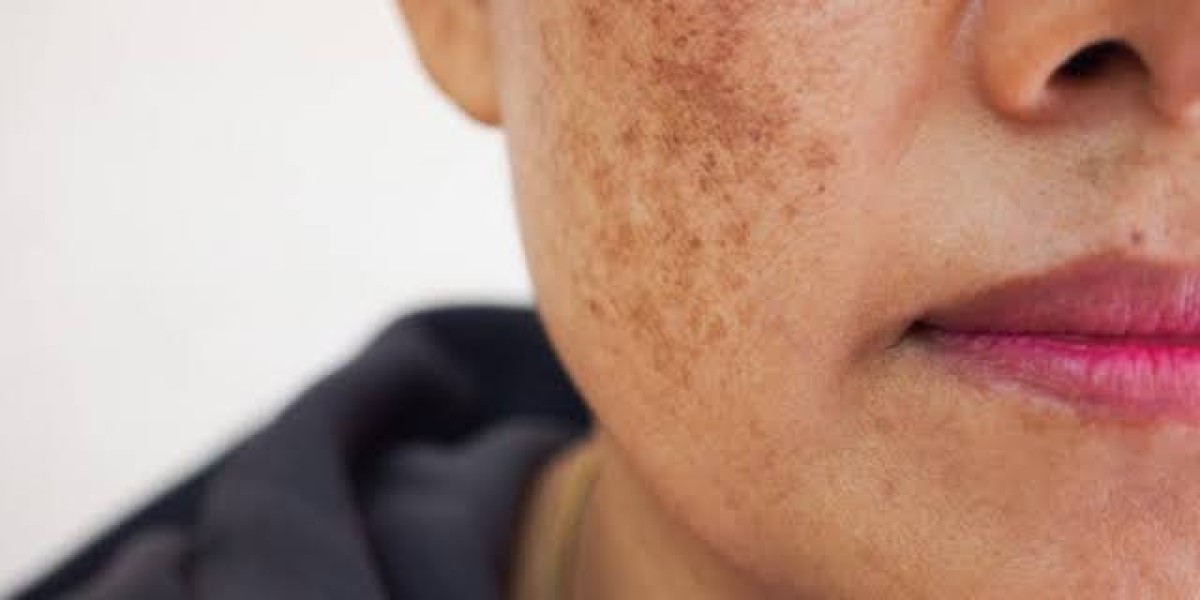

For many people, uneven skin tone, dark patches, and discoloration can affect confidence and make achieving a naturally radiant complexion more challenging. Whether pigmentation develops due to sun exposure, hormonal changes, aging, acne scars, or environmental factors, modern aesthetic solutions offer effective ways to restore a clearer appearance. If you are wondering whether Dermal Pigmentation Treatment in Dubai (علاج تصبغ الجلد في دبي) is worth considering, the answer depends on your skin concerns, expectations, and commitment to proper skincare before and after treatment. With advanced technologies and customized treatment plans, pigmentation management has become more precise, helping individuals achieve smoother, brighter, and healthier-looking skin while supporting long-term skin wellness.
Learn about Dermal Pigmentation Treatment in Dubai, its benefits, cost, and results. Book your consultation today!
What Is Dermal Pigmentation Treatment And How It Works?
Dermal Pigmentation Treatment (تحديد خط الفك) refers to a collection of non-surgical skin procedures designed to reduce visible pigmentation and encourage a more even complexion. Rather than simply masking discoloration, these treatments focus on addressing excess melanin that causes dark spots and uneven tone.
How Does It Work?
Different treatment methods work through unique mechanisms, including:
- Breaking down excess pigment deposits.
- Encouraging natural skin renewal.
- Stimulating healthy collagen production.
- Removing damaged outer skin layers.
- Promoting balanced skin regeneration.
As the treated skin heals naturally, fresh and healthier skin gradually replaces pigmented areas, resulting in a brighter complexion over time.
Why Is Treatment Important?
Pigmentation may become more noticeable if left untreated, especially when daily sun exposure continues. Treatment can help improve:
- Overall skin clarity.
- Uniform skin tone.
- Texture and smoothness.
- Confidence in appearance.
- Long-term skin health.
Many people ask:
- Is pigmentation treatment permanent?
- Can stubborn dark spots disappear?
- How many sessions are usually needed?
- Does every pigmentation type respond equally?
The answers depend on the pigmentation depth, skin type, and selected treatment approach.
Types Of Treatment:
Several modern options are available to target different pigmentation concerns. Each option is selected according to skin sensitivity, pigmentation depth, and desired outcomes.
Laser Therapy:
Laser technology precisely targets concentrated melanin while minimizing effects on surrounding tissue. It is commonly used for deeper pigmentation and sun damage.
Chemical Peels:
Specialized peeling solutions remove damaged skin layers and encourage new skin growth with a brighter appearance.
Microneedling:
Microneedling stimulates natural collagen production while improving pigmentation caused by acne scars and uneven skin tone.
IPL (Intense Pulsed Light):
IPL uses controlled light energy to reduce visible pigmentation and improve overall skin brightness.
Topical Medical Treatments:
Professional skincare products containing active ingredients may gradually lighten pigmentation while preventing new discoloration.
Combination Treatments:
Many individuals benefit from combining multiple techniques for enhanced and longer-lasting improvements.
The Best Dermal Pigmentation Treatment Dubai (فضل علاج تصبغ الجلد دبي) often involves a personalized combination of methods tailored to individual skin needs rather than relying on a single procedure.
Preparation Before Treatment:
To prepare effectively:
- Follow a consistent skincare routine.
- Avoid excessive sun exposure.
- Wear sunscreen daily.
- Keep skin well hydrated.
- Avoid harsh exfoliation before treatment.
- Inform your practitioner about previous skin treatments.
Aftercare Tips:
Proper aftercare helps maximize results and supports healthy healing.
Important recommendations include:
- Apply sunscreen every day.
- Keep the skin moisturized.
- Avoid direct sunlight whenever possible.
- Avoid picking or scratching treated areas.
- Follow all post-treatment instructions carefully.
- Use gentle skincare products during recovery.
Ideal Candidate:
Treatment may be suitable for individuals who have:
- Sun spots.
- Melasma.
- Post-inflammatory pigmentation.
- Acne-related discoloration.
- Age spots.
- Uneven skin tone.
- Healthy skin without active infections.
- Realistic treatment expectations.
How To Choose The Right Clinic:
Selecting an experienced aesthetic provider is essential for achieving safe and satisfying results.
- Modern treatment technologies.
- Comprehensive skin assessment.
- Personalized treatment planning.
- Strong safety protocols.
- Positive patient feedback.
- Clear aftercare guidance.
- Transparent consultation process.
A customized approach usually provides better long-term outcomes than a one-size-fits-all solution.
Benefits:
Dermal pigmentation procedures continue to gain popularity because they address multiple cosmetic concerns while improving overall skin quality.
Some of the most appreciated advantages include:
- Brighter complexion.
- More even skin tone.
- Reduced appearance of dark spots.
- Improved skin texture.
- Enhanced skin confidence.
- Smoother-looking complexion.
- Younger overall appearance.
- Minimal disruption to daily activities for many treatment options.
- Personalized treatment strategies.
- Gradual, natural-looking improvements.
Frequently Asked Questions:
Is Dermal Pigmentation Treatment Worth It?
For individuals bothered by uneven pigmentation, many find the treatment worthwhile because it addresses visible discoloration while supporting healthier-looking skin.
Are Results Immediate?
Most treatments produce gradual improvements as the skin naturally renews itself over several weeks.
Can Pigmentation Return?
Yes. Future sun exposure, hormonal changes, aging, and certain lifestyle factors may contribute to new pigmentation, making proper skincare and sun protection important.
Is The Procedure Suitable For All Skin Types?
Many treatment options can be customized for different skin types after a thorough skin assessment.
How Long Do Results Last?
Results vary depending on skin type, treatment method, lifestyle habits, and ongoing skincare maintenance.
Is Recovery Difficult?
Recovery differs according to the selected treatment, but many people experience only temporary redness or mild sensitivity that gradually improves.
Conclusion:
Dermal pigmentation concerns can affect both appearance and self-confidence, but modern aesthetic treatments provide effective solutions for achieving clearer, healthier-looking skin. Whether your pigmentation is caused by sunlight, acne, aging, or hormonal factors, the right treatment strategy can significantly improve skin tone, texture, and overall radiance. By combining appropriate preparation, consistent aftercare, realistic expectations, and personalized treatment planning, many individuals enjoy noticeable and lasting improvements. Ultimately, deciding whether treatment is worth it depends on your personal goals, skin condition, and commitment to maintaining healthy skincare habits. For those seeking a brighter and more even complexion, today's advanced pigmentation treatments offer an excellent opportunity to restore natural-looking confidence while supporting long-term skin health.