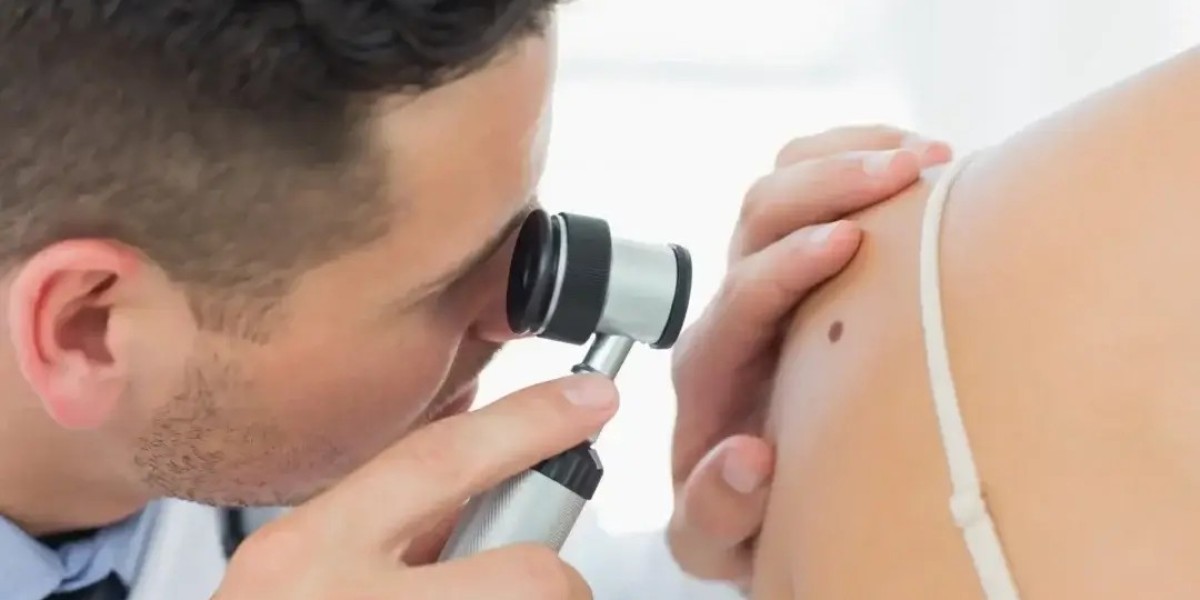

Healthy skin plays an essential role in protecting the body while also contributing to confidence and overall well-being. Whether someone has dry, oily, combination, sensitive, or mature skin, modern Dermatology in Dubai (طب الجلد في دبي) provides personalized solutions designed to address a wide range of concerns. From preventive care to advanced skin management, dermatology focuses on improving skin health through scientifically supported approaches suitable for different skin tones and textures.
Learn about Dermatology in Dubai, its benefits, cost, and results. Book your consultation today!
What Is Treatment And How It Works?
Understanding Dermatology
Dermatology (طب الجلد) is the medical specialty dedicated to maintaining, improving, and protecting the health of the skin, hair, and nails. Dermatology treatments are carefully selected according to each person's skin condition, sensitivity level, pigmentation, and overall skin health.
How Dermatology Works:
The treatment process generally includes:
- A comprehensive skin assessment.
- Identification of skin concerns.
- Selection of suitable treatment methods.
- Customized treatment planning.
- Continuous monitoring of skin response.
- Follow-up recommendations for maintaining healthy skin.
Different procedures target various layers of the skin depending on the concern being addressed. Some treatments encourage natural skin renewal, while others reduce inflammation, improve hydration, stimulate collagen production, or correct pigmentation irregularities.
Importance Of Treatment:
Dermatology is important because it helps:
- Maintain healthy skin function.
- Detect skin problems early.
- Reduce acne and breakouts.
- Improve uneven skin tone.
- Minimize pigmentation concerns.
- Manage chronic skin conditions.
- Slow visible signs of aging.
- Enhance overall skin appearance.
- Support long-term skin wellness.
- Improve confidence through healthier-looking skin.
Since every skin type reacts differently, customized treatment planning significantly increases safety and effectiveness.
Types Of Treatment:
Modern dermatology offers numerous options suitable for different skin needs.
Medical Skin Care:
Medical treatments focus on diagnosing and managing conditions such as:
- Acne
- Eczema
- Psoriasis
- Rosacea
- Skin allergies
- Pigmentation disorders
- Fungal infections
Cosmetic Skin Treatments:
These procedures are designed to improve appearance by addressing:
- Fine lines
- Wrinkles
- Sun damage
- Enlarged pores
- Uneven texture
- Mild scars
- Hyperpigmentation
Surgical Dermatology:
Minor skin procedures may help remove:
- Benign skin growths
- Certain cysts
- Skin tags
- Suspicious lesions requiring evaluation
Laser-Based Procedures:
Laser technologies may assist with:
- Skin resurfacing
- Pigment correction
- Vascular concerns
- Scar improvement
- Hair reduction
Preventive Skin Care:
Preventive dermatology focuses on:
- Routine skin examinations
- Early identification of abnormalities
- Personalized skincare guidance
- Sun protection education
- Long-term skin maintenance
Each treatment is selected based on skin type, skin tone, medical history, and desired outcomes.
Preparation Before Treatment:
Preparing properly can improve treatment outcomes.
Recommended preparation includes:
- Keeping skin clean.
- Avoiding harsh exfoliants before treatment.
- Following personalized skincare instructions.
- Staying hydrated.
- Protecting skin from excessive sun exposure.
- Informing the practitioner about allergies or medications.
Aftercare:
Following aftercare instructions helps support healing.
Common recommendations include:
- Applying gentle moisturizers.
- Using sunscreen daily.
- Avoiding excessive heat for a short period.
- Refraining from scratching treated areas.
- Keeping skin hydrated.
- Following the recommended skincare routine.
Ideal Candidate:
Dermatology may be suitable for individuals who:
- Have acne-prone skin.
- Experience sensitive skin concerns.
- Notice pigmentation changes.
- Want healthier skin.
- Have chronic skin conditions.
- Wish to improve skin texture.
- Seek preventive skin care.
- Want professional guidance for aging skin.
- Need treatment for hair or nail disorders.
Most skin types—including fair, medium, olive, darker complexions, oily, dry, combination, and sensitive skin—can benefit when treatments are properly customized.
How To Choose A Right Clinic:
Choosing an appropriate provider involves considering:
- Experience in treating various skin types.
- Comprehensive skin evaluation.
- Personalized treatment planning.
- Modern diagnostic technologies.
- Hygiene standards.
- Evidence-based treatment approaches.
- Transparent communication.
- Thorough follow-up care.
- Patient education.
- Customized skincare recommendations.
Personalized care is often the key factor that determines treatment success across different skin types.
Benefits:
Dermatology offers numerous benefits regardless of skin type when treatments are carefully tailored.
Some major advantages include:
- Improved skin health.
- Better hydration balance.
- Enhanced skin texture.
- Reduced acne.
- More even skin tone.
- Improved collagen production.
- Reduction of pigmentation concerns.
- Healthier skin barrier.
- Early detection of skin abnormalities.
- Long-term skin maintenance.
- Customized treatment options.
- Increased confidence.
- Better management of chronic skin conditions.
- Safe care for different skin tones.
- Comprehensive solutions for hair, skin, and nails.
Frequently Asked Questions:
Is Dermatology Suitable For Sensitive Skin?
Yes. Many treatments are specifically designed to be gentle enough for sensitive skin after careful assessment.
Can Darker Skin Tones Receive Dermatology Treatments?
Yes. Modern dermatology includes techniques specifically adapted for darker skin tones to reduce the risk of pigmentation changes.
Does Every Skin Type Need The Same Treatment?
No. Every individual receives a personalized treatment plan based on skin type, condition, and goals.
Can Dermatology Help Dry And Oily Skin?
Yes. Treatment plans are customized to restore balance and improve the health of both dry and oily skin.
Are Treatments Customized?
Yes. Skin type, age, lifestyle, and individual concerns all influence treatment selection.
Conclusion:
Dermatology has evolved into a highly personalized field capable of supporting virtually every skin type through customized care and evidence-based techniques. Whether the goal is managing chronic skin conditions, enhancing appearance, preventing future concerns, or maintaining lifelong skin health, individualized treatment planning remains the foundation of successful outcomes. Choosing the right approach ensures that each person's unique skin characteristics are respected while maximizing safety and effectiveness. For individuals seeking advanced skin care solutions, exploring Best Dermatology Dubai (فضل طب الجلد دبي) options can provide access to comprehensive services tailored to diverse skin needs and long-term wellness.