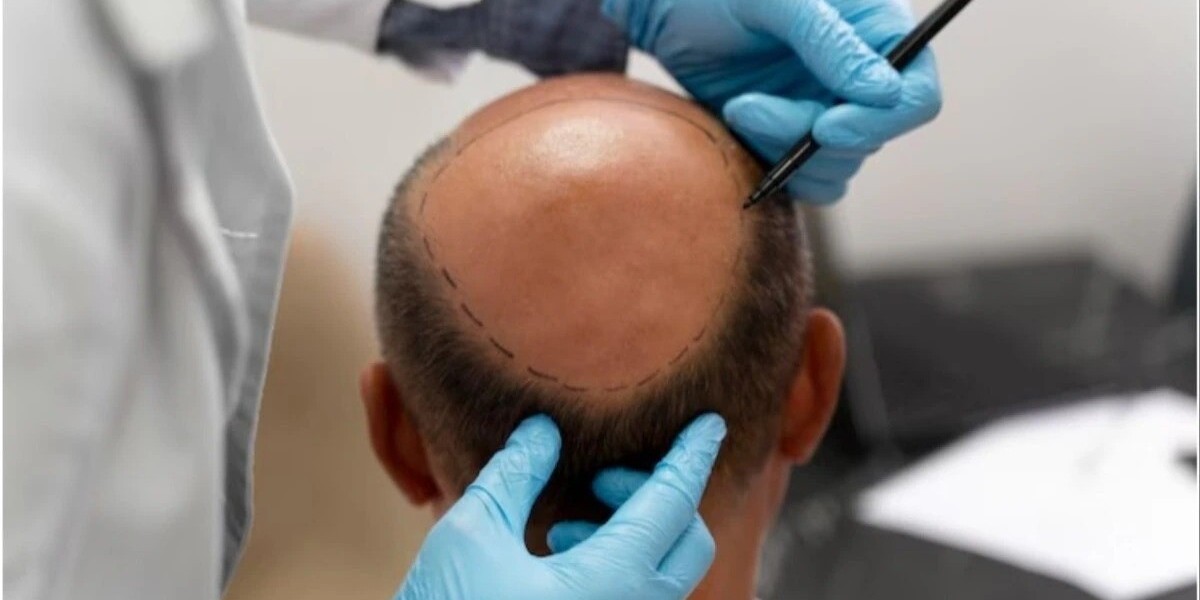

Hair restoration outcomes are shaped by a combination of biological, technical, and lifestyle-related factors rather than a single element. Every individual presents a unique scalp condition, hair density pattern, and healing response, which collectively influence the final result. Modern restoration approaches aim to balance these variables to achieve natural-looking density and long-term stability. In the context of advanced cosmetic procedures, Hair Transplant in Ras Al Khaimah UAE has become a widely discussed option for individuals seeking improved hair coverage and confidence through refined restoration techniques.
Success in this field is not random; it is the result of careful planning, precise execution, and proper aftercare. Understanding the key determinants helps patients set realistic expectations and make informed decisions about their hair restoration journey.
Donor Area Quality and Hair Characteristics
One of the most influential factors in hair transplant success is the quality of the donor area, which is typically located at the back or sides of the scalp. These regions are genetically resistant to hair loss, making them ideal for transplantation. The density, thickness, and texture of donor hair directly affect how full and natural the final outcome appears.
Patients with strong donor hair availability tend to achieve better coverage and improved visual density. In contrast, limited donor supply may require strategic planning to ensure optimal distribution. Hair caliber also plays a role, as thicker strands often provide better coverage with fewer grafts.
Another critical aspect is donor stability. If the donor area is weak or thinning, it can compromise long-term results. Proper assessment ensures that only sustainable follicles are used, maintaining a balance between extraction and preservation.
Selection of the Appropriate Transplant Technique
The technique used during the procedure significantly impacts the outcome. Different approaches are designed to address specific patterns of hair loss, scalp conditions, and aesthetic goals. The two most commonly used methods focus on either follicular unit extraction or strip-based harvesting, each with distinct advantages.
Precision-based extraction methods are often preferred for their ability to minimize visible scarring and allow for quicker recovery. The angle, depth, and direction of implantation are carefully controlled to mimic natural hair growth patterns. This level of detail ensures that transplanted hair blends seamlessly with existing strands.
The choice of technique is also influenced by hair type and density goals. For example, finer hair may require different placement strategies compared to coarse or curly hair. A well-matched technique ensures a more natural hairline and consistent density across treated areas.
Expertise in Graft Handling and Implantation Precision
The handling of hair grafts during extraction and implantation is a delicate process that plays a crucial role in survival rate and final density. Grafts must be carefully preserved to maintain their biological integrity. Any damage during handling can reduce the likelihood of successful growth.
Implantation precision is equally important. Proper angle alignment ensures that transplanted hair grows in harmony with natural hair direction. This prevents an artificial or patchy appearance and enhances overall realism. Density distribution must also be carefully planned to avoid overconcentration in one area while leaving others sparse.
Consistency during the procedure ensures uniform growth patterns. Attention to microscopic detail allows for a more refined and aesthetically balanced result, which is essential for long-term satisfaction.
Patient Health, Genetics, and Lifestyle Influence
Individual health conditions and genetic factors have a strong influence on transplant outcomes. Genetics determine the progression of hair loss, while overall health affects healing capacity and follicle survival. Individuals with stable health profiles typically experience better recovery and stronger graft retention.
Lifestyle habits such as nutrition, sleep, and stress management also play an important role. A nutrient-rich diet supports follicle strength, while poor habits may slow healing or weaken newly transplanted hair. Smoking and certain medical conditions can negatively impact blood circulation, which is essential for graft survival.
Scalp health is another key factor. Conditions like dandruff, inflammation, or excessive oil production can interfere with healing. Maintaining a clean and balanced scalp environment supports stronger and more consistent regrowth.
Post-Procedure Care and Healing Process
Aftercare is a critical phase that directly influences the final outcome. Proper care during the first few weeks ensures that grafts settle securely and begin their growth cycle without interruption. Patients are usually advised to avoid excessive touching, scratching, or pressure on the treated area.
Healing timelines vary depending on individual response, but initial shedding of transplanted hair is a normal part of the process. This is followed by gradual regrowth as follicles enter a new growth phase. Patience during this stage is essential, as visible improvements typically develop over several months.
Scalp protection from sun exposure and environmental stress also supports recovery. Following recommended care routines helps minimize complications and ensures a smoother transition toward full results.
Realistic Expectations and Long-Term Planning
Setting realistic expectations is fundamental to satisfaction. Hair restoration is a gradual process, and final outcomes depend on multiple biological and technical variables. Understanding the limitations of donor supply and natural density helps patients appreciate achievable results.
Long-term planning is equally important, especially for individuals experiencing progressive hair loss. A strategic approach ensures that future hair changes are accounted for, maintaining a balanced appearance over time. This includes designing a hairline that remains natural even as aging progresses.
Successful outcomes are achieved when medical planning aligns with patient expectations and long-term hair loss patterns.
In conclusion, the success of any hair restoration journey depends on a combination of donor quality, technique selection, precise graft handling, individual health, and proper aftercare. Each factor contributes to the overall density, natural appearance, and durability of results. When all elements are carefully aligned, individuals seeking Hair Transplant In Ras Al Khaimah can achieve outcomes that look natural, feel permanent, and support long-term confidence.