
A raffle is a contest in which participants purchase tickets to win a prize. Nonprofits use raffles to raise money and promote their missions in a fun, unique way. Raffles are also a good way to build connections with new donors and supporters. There are several different ways to run a raffle, including at an event, online or through the mail. Many local governments regulate how nonprofits can conduct a raffle, so it is important to check with them before holding one.
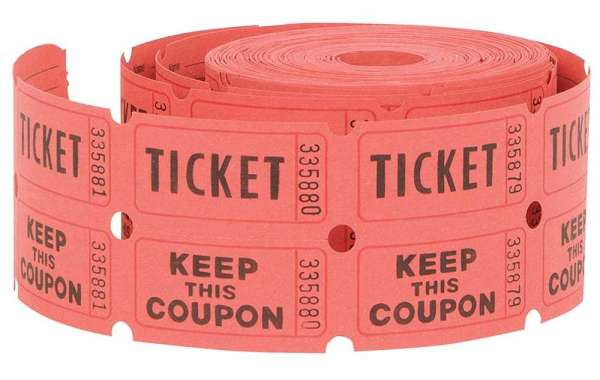
The committee in charge of the raffle decides on the prizes and how much the tickets cost. They must also decide on the date of the drawing and the amount of time to sell tickets. Often, the longer they sell them, the more money the organization makes. The tickets should have spaces on the opposite side for participants to write in their name, address, phone number and email address. The tickets should also be numbered and perforated. Although it costs more to have the printer number the tickets, this is an important step in ensuring that no ticket is duplicated.
Recruit a lot of people to help with the ticket selling and distribution. Ask volunteers who already work with the organization and others outside of it if they can sell tickets. Then recruit their friends, family members and co-workers. Some organizations use a volunteer recruitment website to help them find the best people to get involved. Once the ticket sellers and distributors have been selected, the group leader should keep track of who has sold and distributed tickets. He or she should remind everyone of the deadlines and encourage those who aren't selling as many as they had hoped.
Make sure the rules of the raffle are written down clearly and understood by anyone who might buy or sell tickets. This can mitigate the risk of a legal problem with a disgruntled winner who claims that the organization is not following the rules. Avoid prize items that could cause problems like alcohol, firearms or tobacco products.
Some organizations hold their raffle drawings at another event, such as a dance or auction, to increase the number of people who will attend and possibly purchase tickets. This requires organizing the other event in addition to promoting the raffle, however. Other groups hold the drawing as part of a small party for all of the people who sold and bought tickets to show appreciation.
After the raffle has ended, send thank-you notes to all of the ticket sellers and merchants who donated prizes. The committee leader should also create a file with all of the information about the raffle, including a list of winners, a list of workers and notes about any problems or issues that arose during the process. This file will be helpful when the committee plans next year's raffle. It will save the committee a lot of time and trouble by helping them to avoid repeating any mistakes.