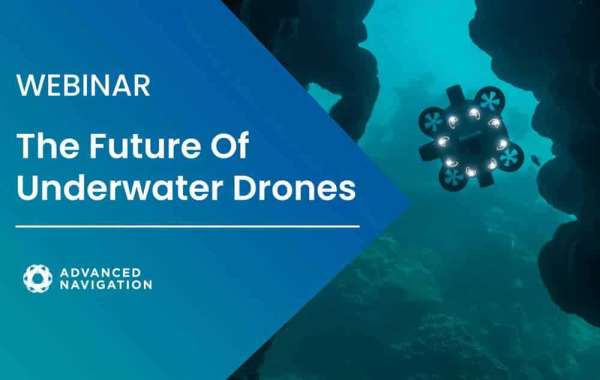

Autonomous Underwater Vehicle (AUV)
An Autonomous Underwater Vehicle (AUV) is a cutting-edge marine technology designed to operate underwater without direct human intervention. Often referred to as underwater drones or robots, AUVs are equipped with advanced sensors, navigation systems, and propulsion mechanisms, enabling them to carry out a wide range of tasks in various underwater environments. These self-contained vehicles are revolutionizing ocean exploration, research, and commercial applications. Here's a closer look at the key aspects and applications of Autonomous Underwater Vehicles:
- How AUVs Work:
Autonomous Underwater Vehicle are designed to function autonomously, meaning they can perform predefined missions without requiring real-time control from humans. They use a combination of sophisticated sensors, such as sonars, cameras, and hydrophones, to gather data about the surrounding underwater environment. Advanced onboard computers process this data and make decisions based on pre-programmed algorithms. These algorithms govern the AUV's movements, allowing it to navigate underwater, avoid obstacles, and perform specific tasks with precision.
- Key Components and Features:
A typical AUV consists of the following essential components:
- Sensors: A variety of sensors, including acoustic sensors, cameras, and environmental sensors, collect data about water conditions, marine life, and potential obstacles.
- Propulsion System: AUVs use propellers or thrusters to move underwater and maintain their desired trajectory.
- Communication Systems: AUVs can be equipped with acoustic modems to communicate with surface vessels or other underwater vehicles.
- Power Source: AUVs are powered by rechargeable batteries, and some advanced models use alternative energy sources like fuel cells.
- Navigation and Control: Inertial navigation systems, GPS, and depth sensors enable precise navigation and control.
- Applications of AUVs:
AUVs have a wide range of applications across various industries and scientific fields, including:
- Oceanographic Research: AUVs play a crucial role in collecting data for oceanographic research, including studying water properties, currents, and marine life.
- Environmental Monitoring: They are used to monitor and assess the health of marine ecosystems, track pollution levels, and study the impact of climate change on the oceans.
- Underwater Mapping: AUVs can create detailed underwater maps, helping researchers and commercial industries better understand seafloor topography and geological features.
- Search and Rescue: AUVs equipped with advanced imaging sensors can aid in search and rescue missions, locating and assessing underwater wreckage or missing objects.
- Pipeline and Infrastructure Inspection: In the oil and gas industry, AUVs are employed to inspect underwater pipelines and other infrastructure, reducing the need for costly and risky human-led operations.
- Defense and Security: AUVs have applications in military and security operations, such as mine countermeasures, harbor protection, and intelligence gathering.
- Advantages of AUVs:
The use of AUVs offers several significant advantages:
- Safety: By removing the need for human divers in hazardous underwater environments, AUVs enhance safety in various underwater operations.
- Cost-Effectiveness: AUVs can be more cost-effective than traditional methods, as they reduce the need for large crews and specialized equipment.
- Increased Efficiency: AUVs can operate for extended periods, cover large areas, and perform repetitive tasks with consistent precision.
- Environmental Impact: AUVs have a minimal environmental footprint compared to traditional survey vessels or manned operations.
In conclusion, Autonomous Underwater Vehicles (AUVs) are cutting-edge tools that have revolutionized underwater exploration, research, and commercial applications. With their autonomous capabilities and advanced sensor systems, AUVs have opened up new possibilities for understanding and utilizing the vast and unexplored depths of our oceans. As technology continues to advance, AUVs will play an increasingly vital role in marine science, industry, and security endeavors.
For more info. visit us: