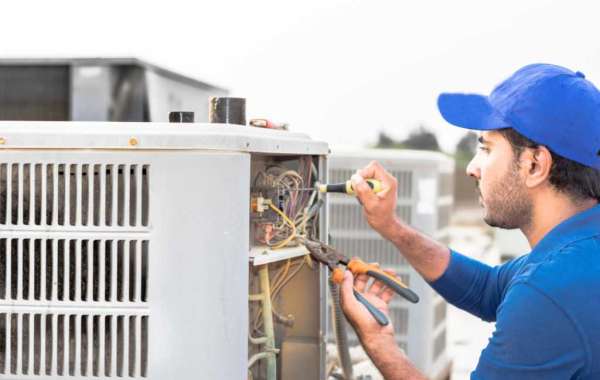


Proper installation ensures efficient and effective cooling while optimizing energy usage. The process can vary based on the type of air conditioning system, the layout of the building, and specific requirements. Here's a general overview of the air conditioning installation process:
- Initial Assessment:
Before installation begins, a thorough assessment of the space is conducted. This involves evaluating the size of the area to be cooled, the insulation, ventilation, and any existing HVAC systems. The assessment helps determine the appropriate cooling capacity needed for the system.
- System Selection:
Based on the assessment, the most suitable air conditioning system is selected. There are various types of air conditioning systems, including central air, split systems, ductless mini-splits, and more. The choice depends on factors such as the size of the area, the layout of the building, and budget considerations.
- Planning and Design:
A detailed plan is created for the air conditioning installation, including the placement of the indoor and outdoor units, ductwork (if applicable), and electrical connections. The design considers factors like air circulation, load distribution, and aesthetics. Air Conditioning Installation Sydney is essential here.
- Installation of Indoor Unit:
For split systems, the indoor unit is installed first. It is usually mounted on a wall or ceiling in the area to be cooled. The unit is securely attached, and the necessary connections for refrigerant lines, drainage, and electrical wiring are made.
- Installation of Outdoor Unit:
The outdoor unit of the air conditioner is installed next. It is placed on a suitable surface, typically on a concrete pad or a sturdy platform. The outdoor unit houses the compressor and condenser coils. Refrigerant lines, electrical connections, and drainage pipes are connected to the indoor unit.
- Ductwork Installation (if applicable):
In central air systems or cases where ducts are used, the ductwork is installed to distribute cooled air throughout the building. Properly designed and installed ducts ensure efficient airflow and temperature distribution.
- Refrigerant Charging:
The system is charged with the appropriate amount of refrigerant according to the manufacturer's specifications. Proper refrigerant levels are crucial for optimal cooling performance.
- Electrical Connections:
Electrical connections are made between the indoor and outdoor units. Wiring is carefully installed and connected to ensure safe and efficient operation of the air conditioner.
- Testing and Calibration:
Once all components are installed, the system is tested to ensure it operates smoothly. This includes checking for proper airflow, temperature control, and cooling capacity. Calibration is performed to fine-tune settings for optimal performance.
- Insulation and Sealing:
Insulation materials are applied to refrigerant lines to prevent condensation and maintain energy efficiency. Sealing materials are used to close gaps and ensure that conditioned air doesn't leak out of the system.
Air conditioning installation involves a systematic process that requires careful planning, precise installation, and thorough testing. A professional Air Conditioning Macarthur technician of Air Max Air Conditioning is essential to ensure that the system is installed correctly, meets safety standards, and delivers efficient cooling performance. Proper installation sets the foundation for long-term comfort and energy savings in residential, commercial, and industrial spaces.