
Tankless water heaters are known for their energy efficiency and endless hot water supply. However, one common issue many homeowners face is the delay in getting hot water at the tap. This is where a recirculating pump comes in, improving efficiency and convenience. But how exactly does it work with a tankless water heater?
What Is a Recirculating Pump?
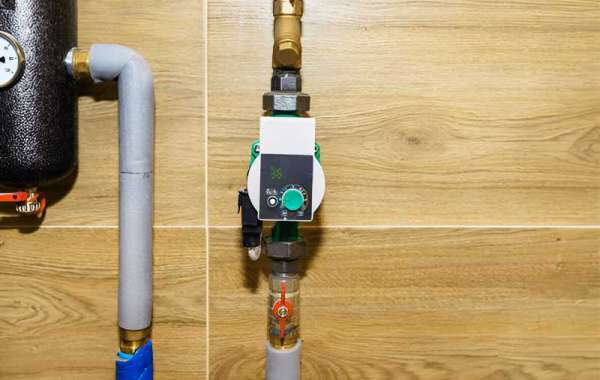
A recirculating pump is a small water pump that helps circulate hot water through your plumbing system, reducing wait times and minimizing water wastage. Unlike traditional water heaters, tankless models only heat water on demand, which can cause delays in hot water delivery. A recirculating pump solves this by keeping hot water readily available in the pipes.
How It Works with a Tankless Water Heater
- Continuous Hot Water Circulation – The pump moves hot water through the plumbing system and back to the heater through a return line, ensuring hot water is always nearby.
- Activation Methods – Some systems use timers, motion sensors, or thermostatic controls to activate the pump when needed, improving efficiency.
- Improved Response Time – With a recirculating pump, you get near-instant hot water, reducing the time and water wasted waiting for it to heat up.
Types of Recirculating Pumps
- Dedicated Return Line System – Requires a separate return line for hot water, commonly used in newer homes.
- Comfort System (Retrofit) – Uses the existing cold water line as a return, ideal for older homes without dedicated return lines.
Benefits of a Recirculating Pump
- Saves Water – Reduces waste by eliminating the need to run taps while waiting for hot water.
- Increases Convenience – Provides near-instant hot water at all fixtures.
- Enhances Efficiency – Works well with tankless systems designed for recirculation, reducing energy use.
Things to Consider
- Compatibility – Ensure your tankless water heater supports a recirculating pump.
- Installation Cost – Professional installation may be needed for optimal performance.
- Energy Usage – While it saves water, some energy is used to keep water warm in the system.
Conclusion
A recirculating pump is an excellent addition to a tankless water heater, providing faster access to hot water while saving water and improving efficiency. If you’re tired of waiting for hot water, installing a recirculating pump could be the perfect solution!